
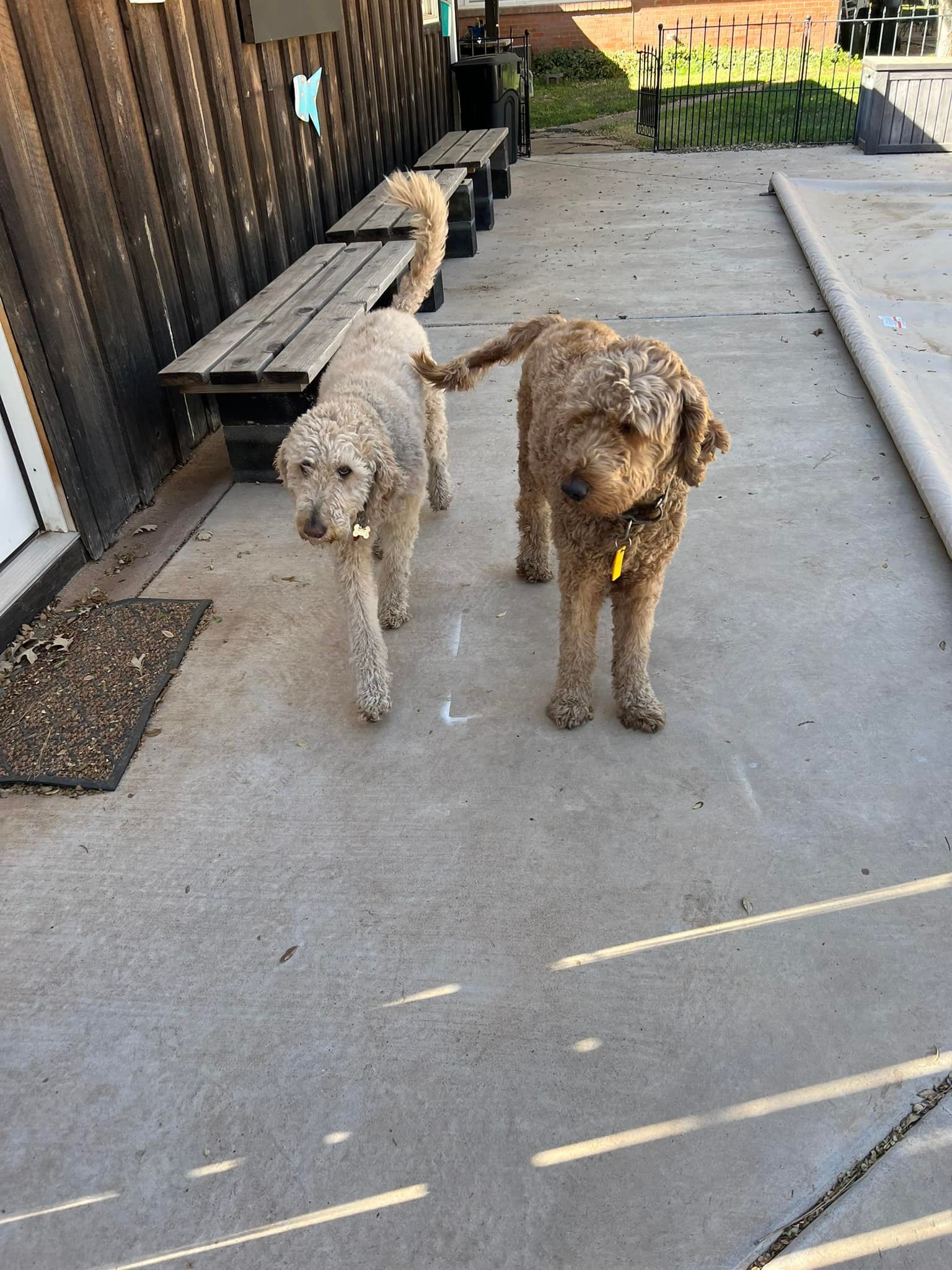
Shared Outdoor Spaces Pets Actually Use
Apartment Community Pet Waste Cleanup in Lubbock for properties managing dog walk zones and tenant outdoor areas
Poop Tech handles apartment community pet waste cleanup across Lubbock, Wolfforth, Shallow Water, Ransom Canyon, and New Home, addressing the specific challenge property managers face when multiple tenants share outdoor spaces with pets. As apartment growth and pet ownership continue to climb throughout the region, dog relief areas and walking paths accumulate waste faster than standard maintenance crews can address it. Recurring cleanup keeps these high-traffic zones functional and presentable without adding irregular labor costs to property budgets.
The service involves scheduled visits to dog park areas, green spaces, and designated pet relief zones where waste is collected, bagged, and removed from the property entirely. Cleanup frequency adjusts based on tenant density, pet population, and outdoor space usage patterns, with most communities scheduling service two to three times weekly during peak seasons.
Request a customized maintenance plan designed around your property layout and tenant activity levels.
What Happens Between Scheduled Cleanups
Recurring service follows consistent routes through pet-designated areas, focusing on zones where tenants walk dogs daily and where waste concentration creates odor or visual problems. Cleanup includes both visible waste and materials missed by tenants who use provided bag dispensers, ensuring the entire outdoor area remains approachable rather than avoided by residents.
After each visit, you notice walking paths stay clear, grassy areas remain usable for all tenants, and odor complaints from balconies or ground-floor units decrease noticeably. The difference shows up in tenant retention conversations and leasing tours where outdoor spaces function as amenities rather than maintenance liabilities.
Service also includes optional pet waste station servicing where bag dispensers are refilled and station areas are wiped down, maintaining the infrastructure tenants depend on for responsible pet ownership. Insured operations and dependable recurring billing simplify budgeting for property managers coordinating multiple vendor contracts.
Questions Property Managers Ask About Cleanup Service
Apartment communities throughout Lubbock manage increasing pet populations, and cleanup schedules directly affect tenant satisfaction and outdoor space usability.
What determines how often cleanup should happen?
Tenant count, pet population per building, and outdoor space size all factor into scheduling, with higher-density properties typically requiring three visits per week to prevent accumulation in heavily used dog zones.
How does the service handle different outdoor layouts?
Cleanup routes adjust to your property design, covering designated dog parks, perimeter walking paths, green space islands, and any fenced relief areas where tenants concentrate during morning and evening hours.
What happens if waste stations run low on supplies?
Optional station servicing includes bag dispenser refills during scheduled cleanup visits, so tenants always have access to the tools they need without maintenance staff tracking inventory separately.
How does billing work for recurring service?
Dependable recurring billing aligns with property management cycles, with invoicing structured monthly and service frequency locked in contractually to avoid budget surprises mid-year.
Why does outdoor cleanliness matter for tenant retention?
Clean walking paths and odor-free green spaces directly impact lease renewals, as tenants with pets evaluate outdoor conditions when deciding whether to stay or explore competing properties that prioritize pet amenity upkeep.
Poop Tech works with apartment communities managing growth in pet-friendly housing across the Lubbock area, where outdoor space quality separates competitive properties from those struggling with tenant complaints. Schedule a property walkthrough to establish a cleanup plan that matches your occupancy patterns and outdoor usage.